

If your understanding of a “welfare state” is still limited to “free healthcare,” then Norway is a country you should take a closer look at.
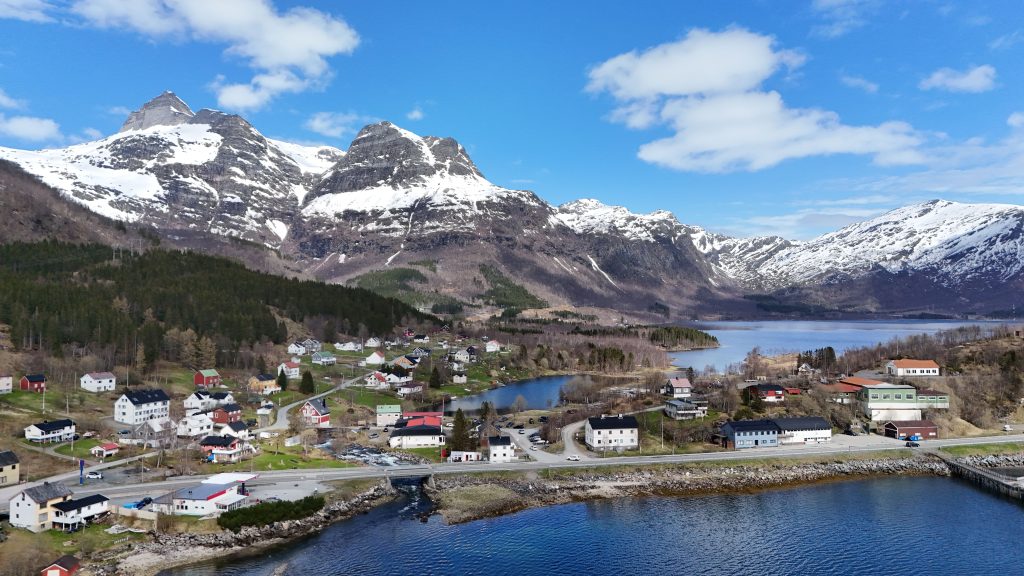
With a population of only 5.65 million people, Norway manages one of the largest sovereign wealth funds in the world — the Government Pension Fund Global (GPFG).
In 2025, the fund achieved an overall return of 15.1%, reaching a total value of 21.268 trillion Norwegian kroner (approximately 1.55 trillion USD) as of December 31, 2025.
Yes, trillion.
This enormous wealth was built largely from Norway’s oil and natural gas revenues from the North Sea. Unlike many countries that spent their resource income immediately, Norway invested much of its energy wealth for future generations.
In theory, this represents roughly US$350,000 per Norwegian citizen, making it one of the largest public wealth reserves per capita in the world.
So, what does this mean for ordinary Norwegians?
It means retirement is not just “secure” — it is genuinely comfortable and dignified. The government has the financial capacity to invest heavily in pensions, healthcare, and social services.
There is a major difference between a country that promises “free healthcare” and one that actually has the resources to maintain a high-quality welfare system.
A Unique Advantage for Immigrants
Norway is also different from many European countries because it is not a member of the European Union.
Many people overlook the importance of this, but it can actually create a unique advantage for non-EU immigrants.
Unlike EU member states such as Germany or the Netherlands, Norway is not required to follow the EU’s principle of free movement of labor.
Citizens from other EU countries cannot simply move to Norway and work without restrictions. As a result, foreign workers from outside Europe may face slightly less competition compared with some EU countries where millions of EU citizens have automatic access to the labor market.
How Can You Move to Norway?
For those considering immigration to Norway, the typical pathway is:
- Find a job with a Norwegian employer
- Apply for a work residence permit through employer sponsorship
- Learn Norwegian and pass the required language examinations
- Meet the residency requirements and apply for permanent residence
Norwegian is generally considered a moderately challenging language. It is often easier than German but slightly more difficult than Swedish, depending on your language background.
The Reality of Living in Norway
Of course, Norway is not perfect.
The biggest challenges are:
- High living costs
- Cold and dark winters
- A relatively small job market
However, for people who value a truly high-quality welfare society, strong social security, political stability, and a balanced lifestyle, few countries can match this Nordic nation of just over five million people.
Norway is a reminder that a country does not need to be large to be wealthy — it needs to manage its resources wisely.